5 Popular Misconceptions About Tartar
Health News
07 Nov 2026
views
5 Popular Misconceptions About Tartar
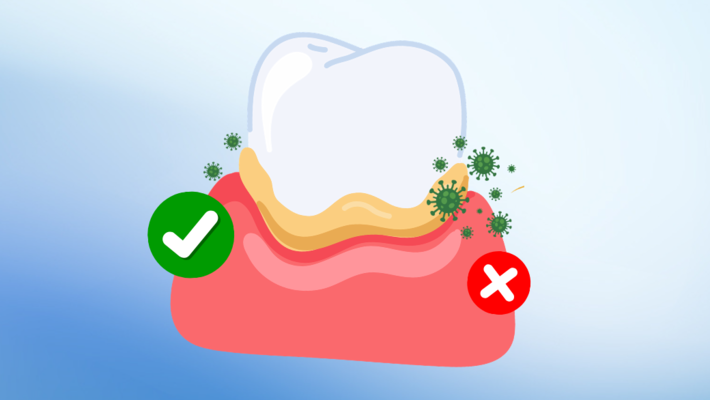
Tartar or hardened plaque accumulated along gum lines and between teeth is a universal oral health issue. Despite regular dental scaling visits, numerous misconceptions about dental calculus and scaling persist. These myths often lead individuals to neglect oral care or fear dental visits unnecessarily. Here is the truth behind common dental calculus myths :
Tartar or hardened plaque accumulated along gum lines and between teeth is a universal oral health issue. Despite regular dental scaling visits, numerous misconceptions about dental calculus and scaling persist. These myths often lead individuals to neglect oral care or fear dental visits unnecessarily. Here is the truth behind common dental calculus myths :
- Misconception : "Dental scaling causes teeth to wear down, thin out, or become loose."
- Fact : Modern scaling tools utilize high-frequency ultrasonic waves to gently vibrate and dislodge hardened calculus without grinding or damaging natural enamel. The sensation of thinner teeth or wider gaps is simply due to the removal of bulky calculus deposits and the reduction of previously swollen, inflamed gums returning to their normal, healthy size.
- Misconception : "Hard brushing or tartar-control toothpaste can remove existing calculus at home."
- Fact : Brushing and specialty toothpastes can only remove soft plaque. Once plaque mineralizes with calcium in saliva to form hardened calculus, home tools cannot remove it. It strictly requires specialized ultrasonic instruments operated by a professional dentist.
- Misconception : "No toothache means no calculus, so visiting the dentist isn't necessary."
- Fact : Early-stage calculus build-up causes zero pain, yet acts as a constant reservoir for bacteria releasing toxins that silently destroy gums and supporting bone. By the time toothaches or mobility occur, gingivitis may have already advanced to severe periodontitis, risking permanent tooth loss.
- Misconception : "The more frequently you get dental scaling, the better."
- Fact : Unnecessarily frequent scaling can cause unnecessary gum irritation. Dentists generally recommend professional scaling every 6 to 12 months (except for severe periodontitis patients who may require maintenance every 3 to 4 months).
- Misconception : "Calculus is isolated to the mouth and doesn't affect overall body health."
- Fact : Oral bacteria from calculus and periodontal disease can enter the bloodstream through inflamed gum tissue. Clinical studies link this to an increased risk of coronary artery disease, infective endocarditis, compromised blood sugar control in diabetic patients, and premature labor in pregnant women.
Tips to Minimize Calculus Accumulation Effectively
- Follow the 2-2-2 Brushing Rule : Brush at least 2 times a day, for at least 2 minutes each time, and refrain from eating for 2 hours post-brushing.
- Floss Daily : Standard toothbrushes clean only ~60% of tooth surfaces. Daily flossing removes hidden food debris and plaque between teeth where bristles cannot reach.
- Visit Your Dentist Every 6 Months : Schedule routine dental checkups every 6 months for professional scaling and early detection of dental caries.
Fearing thin teeth or believing aggressive brushing can remove hardened calculus often leads to neglected oral hygiene. Hardened calculus must be professionally scaled by a dentist. Correcting these misconceptions, flossing daily, and scheduling bi-annual dental checkups remain the ultimate defense for preserving your natural teeth and maintaining overall health.
Follow Our Social Network
 |  |  |  |  |  |