True or False? Cold weather can make your teeth hurt more easily.
Health News
03 Dec 2025
views
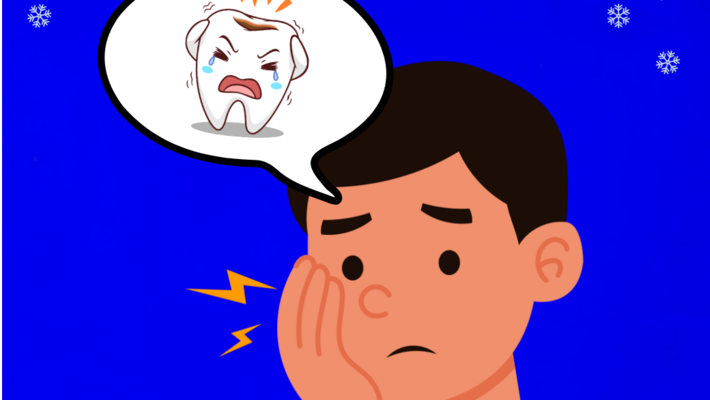
True or False? Cold weather can make your teeth hurt more easily
During the winter season, many people not only face problems with dry skin or catching a cold but also notice that they experience ToothPain or tooth sensitivity more easily and noticeably than usual. This phenomenon is real and can be explained by dental principles. Increased tooth pain in cold weather often indicates that you already have an underlying dental problem, and the cold is merely the trigger. The heightened pain or sensitivity in winter is not directly caused by the cold but is the effect the cold has on weakened teeth and nerves. Here are the main reasons why tooth pain is easily triggered in winter :
Main Causes of Tooth Pain in Winter
- Expansion and Contraction of Tooth Material : Teeth are composed of various materials with different thermal expansion coefficients. When the air is very cold, the tooth material and filling materials contract. This contraction can create micro-cracks or gaps around existing fillings, allowing the cold to easily penetrate and stimulate the nerve inside the pulp chamber.
- Gum Recession and Tooth Erosion : If you already suffer from gum recession, tooth erosion, or damaged enamel, the root surface that should be covered by the gums becomes exposed. This area of the root lacks enamel protection, causing the dentinal tubules to be directly exposed to cold air. This provides a direct pathway for the cold to reach the tooth nerve instantly, causing severe sensitivity.
- Sinusitis Problems : During the winter, many people suffer from colds or sinusitis flare-ups. When the sinuses become infected and swollen, the pressure presses on the roots of the upper teeth (molars). This causes a dull ache in the upper molars, which is often mistaken for cold-induced toothache when it is actually referred pain from the pressure in the sinus cavity.
- Breathing Cold Air into the Mouth : Directly breathing cold air through the mouth causes the freezing air to hit the teeth and gums directly, making it easier to stimulate the tooth nerves.

Follow Our Social Network
 |  |  |  |  |  |