Parents Beware! Flu Outbreak in Children During Winter
Health News
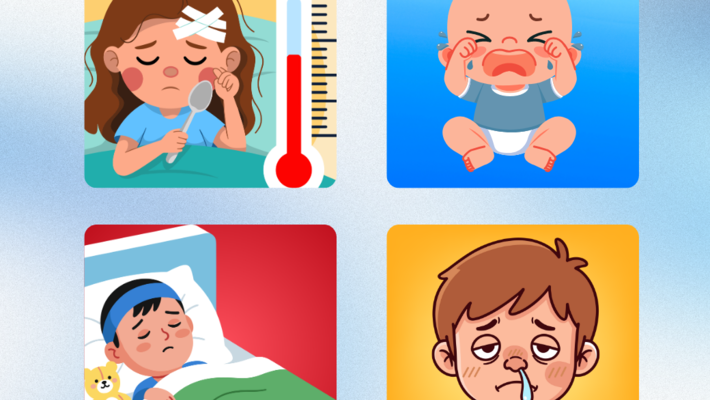
Parents Beware! Flu Outbreak in Children During Winter
When the winter breeze arrives, the biggest concern for parents isn’t just thicker clothing, but the "army of germs" that spread efficiently in cool, damp air. In particular, Influenza (the flu) tends to break out severely during this season. Children, whose immune systems are not yet as strong as adults, become primary targets. Influenza in children is not just a common cold; if not treated promptly, it can escalate into life-threatening complications. Today, we dive deep into every dimension to help you prepare and protect your beloved child.
Why does the flu break out more severely in children during winter than other seasons?
- Viruses become more resilient : Flu viruses thrive in cool air and low humidity, allowing them to linger in the air longer and spread further than usual.
- Nasal defenses weaken : Cold weather causes blood vessels in the nasal passages to constrict, and the mucus that traps germs works less effectively, making it easier for pathogens to enter your child's body.
- Shared environments : In winter, children often stay indoors or in classrooms with closed windows. This poor ventilation means that if one child gets sick, the virus spreads rapidly to others.
How to spot the symptoms? Is it "Influenza" or just a common cold?
- Sudden High Fever : Children with the flu will have a persistent high fever (38.5–40°C) that is often difficult to bring down even with fever reducers.
- Severe Physical Symptoms : Your child may complain of body aches, severe headaches, extreme exhaustion, or show visible shivering.
- Respiratory Symptoms : Frequent dry cough, nasal congestion, and clear mucus, though the body aches and high fever are more prominent than a typical cold.
- Symptoms in Infants : For toddlers who cannot speak yet, observe for unusual fussiness, refusal to nurse, decreased appetite, or accompanying vomiting and diarrhea.
What dangerous complications should parents watch out for?
- Pneumonia : The most common and dangerous complication. The virus can spread to the lungs or lead to a secondary bacterial infection, causing rapid, labored breathing and low blood oxygen.
- Sinusitis and Middle Ear Infection : Children may experience severe ear pain or discharge, which can affect hearing if left untreated.
- Febrile Seizures : Since young children have immature temperature regulation centers, a rapidly spiking fever can trigger seizures.
- Neurological and Heart Impacts : Though rare, encephalitis (brain inflammation) or myocarditis (heart muscle inflammation) can occur, posing a high risk to life.
Prevention and Care Strategies: How to ensure a safe and fast recovery?
- Vaccination is the best shield : Children should receive a flu vaccine annually (available for ages 6 months and up), especially for the strains circulating that year.
- Practice basic hygiene : Teach children to wash their hands frequently with soap or alcohol gel and wear a mask in crowded places or at school.
- Early care : Ensure your child gets plenty of rest and drinks fluids frequently to prevent dehydration. Use warm compresses to lower the fever correctly.
- Seek medical help promptly : If the fever does not subside within 2 days, or if your child has rapid breathing, difficulty breathing, lethargy, or cannot eat, see a pediatrician immediately. Antiviral medication is most effective when administered within the first 48 hours.
The flu in winter is more severe than a common cold because the virus spreads easily and causes high fever and intense body aches. In young children, this can lead to complications like pneumonia or febrile seizures. Parents should prioritize annual vaccination, hand washing, and if a high fever is accompanied by lethargy or wheezing, consult a doctor immediately for antiviral treatment to ensure safety and reduce the risk of serious illness.
Follow Our Social Network
 |  |  |  |  |  |