Checklist! Foods That May Increase or Reduce the Risk of Uterine Fibroids
Health News
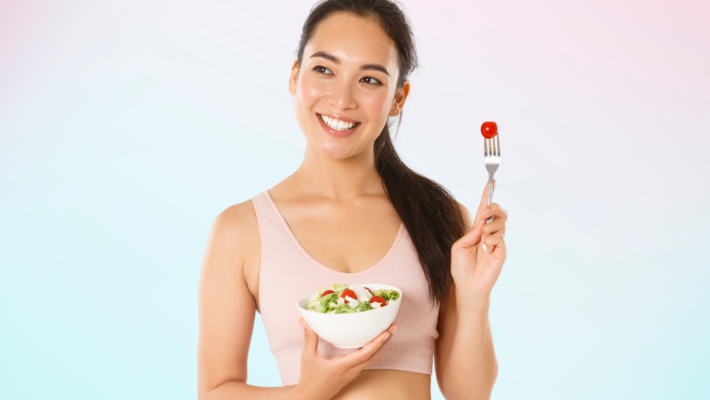
Checklist! Foods That May Increase or Reduce the Risk of Uterine Fibroids
Uterine Fibroids represent a highly prevalent, silent health concern among women of reproductive age. While the underlying development of fibroids is primarily linked to genetics and female reproductive hormones, clinical evidence highlights that daily dietary choices play a major role in either fueling or suppressing their growth. Certain foods directly influence levels of estrogen—the primary hormone that acts as structural fuel for fibroid expansion. Check out this comprehensive dietary checklist to protect and support your uterine health.
Foods That May Increase Risk (Avoid or Consume in Moderation)
These food groups are known to trigger internal inflammation or stimulate the overproduction of estrogen, accelerating fibroid growth :
- Red Meat & Heavily Processed Meats : Such as beef, pork, bacon, sausages, and Chinese sausages. Clinical studies indicate that women with high red meat consumption face a significantly higher risk of developing fibroids compared to those on plant-forward diets, largely due to inflammatory saturated fatty acids.
- High-Sugar Foods & Refined Carbohydrates : Such as bubble milk tea, cakes, white bread, and soft drinks. High Glycemic Index (GI) foods cause blood glucose and insulin levels to spike rapidly. Elevated insulin activates growth factors that speed up fibroid cell multiplication.
- Alcoholic Beverages (Especially Beer) : Regular alcohol consumption compromises the liver’s ability to efficiently break down and flush out excess estrogen. This leads to an accumulation of circulating estrogen, creating an ideal environment for fibroid growth.
- High-Sodium & Heavily Salted Foods : Such as pickled foods, instant noodles, and processed snacks. Excess sodium causes fluid retention and puts extra stress on the circulatory system, hindering the body's natural detoxification processes.
These food groups are packed with vital antioxidants, dietary fibers, and micronutrients that naturally help stabilize and rebalance hormone levels:
- Cruciferous & Dark Leafy Greens : Such as broccoli, kale, cabbage, and spinach. These greens are rich in Indole-3-Carbinol (I3C), a natural compound that assists the liver in safely metabolizing and eliminating excess estrogen.
- Fresh Citrus Fruits & Berries : Such as oranges, lemons, guavas, strawberries, and blueberries. Packed with potent flavonoids and Vitamin C, these fruits deliver strong anti-inflammatory properties that help inhibit abnormal tissue growth.
- Vitamin D-Rich Foods : Such as salmon, tuna, egg yolks, and mushrooms. Medical research indicates that adequate Vitamin D levels correlate with a reduced risk of fibroid development and can even help shrink existing masses.
- Whole Grains & Legumes : Such as brown rice, oats, soybeans, and almonds. Their high fiber content physically binds to excess estrogen in the digestive tract to flush it out, while gentle plant-based phytoestrogens naturally help stabilize internal hormone balance.
- Unsweetened Green Tea : Contains epigallocatechin gallate (EGCG), a powerful antioxidant celebrated for its anti-inflammatory effects. EGCG has been shown to inhibit angiogenesis (the creation of new blood vessels that feed tumors), effectively slowing down or shrinking fibroids.
- Maintain a Healthy Weight : Because excess fat tissue naturally manufactures extra estrogen, carrying surplus abdominal fat essentially feeds uterine fibroids.
- Prioritize Annual Pelvic Ultrasounds : Early-stage fibroids rarely cause painful indicators. Consistent gynecological evaluations ensure that any anomalies are caught while they are small and easy to manage.
- Manage Chronic Stress : Prolonged stress prompts the body to overproduce cortisol, which directly disrupts reproductive hormone balance. Dedicate time to unwind and aim for 7–8 hours of quality sleep nightly.

Follow Our Social Network
 |  |  |  |  |  |