5 Common Infectious Skin Conditions During Winter
Health News
28 Nov 2026
views
5 Common Infectious Skin Conditions During Winter
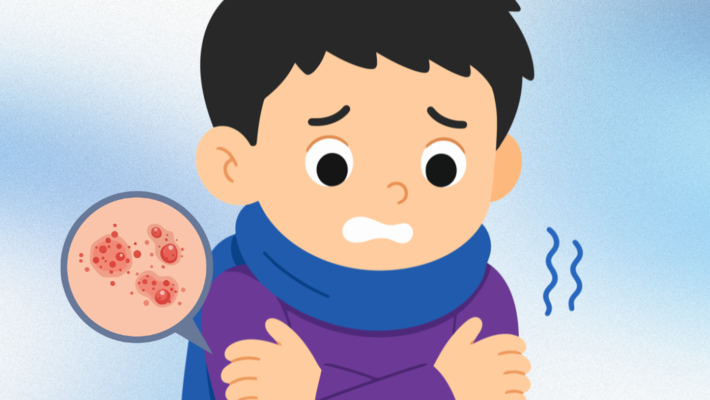
As the Winter Season arrives, cool breezes and rapidly dropping humidity levels do more than just leave our skin feeling dry, tight, or flaky. They also weaken the Skin Barrier, creating microscopic cracks that allow bacteria, fungi, and viruses to penetrate the skin layers much more easily—leading to common winter skin infections. Here is a checklist of 5 prevalent winter skin infections and how to protect your skin effectively :
As the Winter Season arrives, cool breezes and rapidly dropping humidity levels do more than just leave our skin feeling dry, tight, or flaky. They also weaken the Skin Barrier, creating microscopic cracks that allow bacteria, fungi, and viruses to penetrate the skin layers much more easily—leading to common winter skin infections. Here is a checklist of 5 prevalent winter skin infections and how to protect your skin effectively :
- Shingles (Herpes Zoster) : Caused by the reactivation of the dormant Varicella Zoster virus (the same virus responsible for chickenpox) residing in nerve ganglia. When cold weather stresses the body and lowers immunity, the virus emerges as painful, fluid-filled blisters arranged in a band along a nerve path (commonly on the waist, chest, or face), accompanied by severe burning or shooting nerve pain.
- Cold Sores / Fever Blisters (Herpes Simplex) : The HSV-1 virus frequently reactivates in winter when lips become chapped, sleep is inadequate, or skin is exposed to harsh winds. It manifests as small, clustered fluid-filled blisters around the lips, preceded by a tingling, itching, or burning sensation before crusting over.
- Pityriasis Rosea (Christmas Tree Rash) : Believed to be linked to Human Herpesvirus (HHV-6 or HHV-7), this condition often surges during seasonal shifts and winter. It typically starts with a single pinkish/salmon-colored oval "Herald Patch" with a scaly border, followed 1–2 weeks later by smaller spots spreading across the torso along the rib lines in a characteristic "Christmas tree" pattern.
- Fungal Skin Infections / Ringworm (Tinea / Dermatophytosis) : Even in dry winter air, wearing heavy winter layers, thick socks, or boots for extended periods—or skipping showers to avoid the cold—traps moisture in skin folds, the groin, or between toes. This encourages fungal growth, resulting in itchy, circular red rashes with scaly edges.
- Secondary Bacterial Infections (Impetigo) : Severe winter dryness triggers intense itching ("Winter Itch"). Scratching flaky skin creates micro-abrasions, allowing Staphylococcus or Streptococcus bacteria on the skin surface to invade. This leads to pus-filled blisters, weeping sores, and honey-colored crusts that can spread rapidly.
4 Essential Tips to Protect & Nourish Your Skin Against Cold Winds
- Moisturize Regularly : Apply a rich cream or moisturizing lotion within 3 minutes after showering to lock in hydration and repair the skin barrier.
- Avoid Overly Hot Showers : Hot water strips away natural skin lipids, worsening dryness and tightness. Opt for lukewarm water and gentle, pH-neutral cleansers.
- Avoid Scratching Itchy Rashes or Blisters : Soothe itchiness by gently patting the skin or applying anti-itch topicals rather than scratching, preventing open wounds prone to secondary bacterial infection.
- Wear Breathable Clothing : Choose soft, breathable cotton fabrics that won't irritate sensitive skin, and ensure all winter garments are thoroughly washed and sun-dried to prevent fungal growth.
Infectious winter skin conditions—including shingles, cold sores, pityriasis rosea, fungal infections, and secondary bacterial sores—stem primarily from a compromised, cracked skin barrier paired with seasonal dips in immunity. Keeping skin hydrated, avoiding scalding showers, resisting the urge to scratch, and getting adequate rest are the keys to keeping your skin healthy, radiant, and protected all winter long.
Follow Our Social Network
 |  |  |  |  |  |